

 By
By In a world increasingly driven by conscious consumerism, fashion is undergoing a quiet yet powerful transformation. Fast fashion is slowly giving way to mindful choices—where sustainability, heritage, and craftsmanship take center stage. Among the many traditional textiles making a strong comeback, Bandhani sarees stand out as a beautiful blend of culture and sustainability. Rooted deeply in Indian heritage, these vibrant, hand-tied creations are now capturing the attention of modern consumers who seek both style and substance.
What Makes Bandhani So Special?
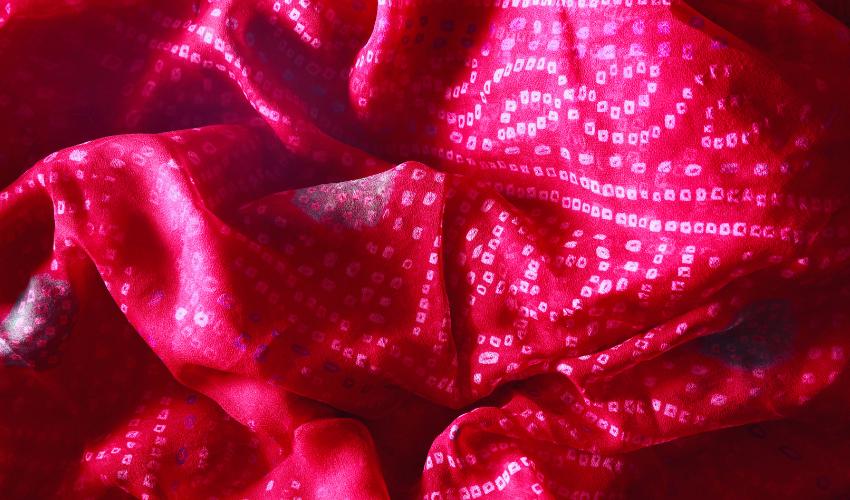
Bandhani, also known as Bandhej, is one of India’s oldest tie-dye techniques, believed to date back over 5,000 years. Originating primarily from Gujarat and Rajasthan, this art involves intricately tying small portions of fabric with thread before dyeing, resulting in stunning patterns of dots, waves, and motifs.
What makes Bandhani truly unique is that no two pieces are exactly alike. Each saree is a reflection of the artisan’s skill, patience, and creativity—making it not just a garment, but a piece of living heritage.
The Sustainability Factor
At its core, Bandhani aligns seamlessly with the principles of sustainable fashion. Here’s how:
- Handcrafted, Not Mass-Produced
Unlike factory-made textiles, Bandhani sarees are crafted by skilled artisans using traditional techniques. This reduces dependence on heavy machinery and lowers carbon emissions significantly. - Natural and Eco-Friendly Dyes
Many artisans are now returning to natural dyes derived from plants, roots, and minerals. These dyes are biodegradable and less harmful to the environment compared to synthetic alternatives. - Slow Fashion Movement
Bandhani sarees embody the essence of slow fashion—focusing on quality, longevity, and timeless appeal rather than fleeting trends. A well-maintained Bandhani saree can last for years, even generations. - Supporting Local Communities
By choosing Bandhani, consumers directly support artisan communities, helping preserve traditional crafts and providing sustainable livelihoods.
A Cultural Legacy Reimagined
Traditionally, Bandhani sarees have been an integral part of Indian celebrations—worn during weddings, festivals, and auspicious occasions. Colors and patterns often carry symbolic meanings. For instance, red signifies prosperity and marital bliss, while yellow is associated with happiness and spirituality.
What’s fascinating is how designers today are reinterpreting Bandhani for contemporary audiences. From pastel hues to fusion silhouettes, Bandhani is no longer limited to traditional wear. It’s being styled as:
- Elegant office wear
- Chic festive outfits
- Indo-western ensembles
- Even statement pieces for global runways
This evolution ensures that Bandhani remains relevant while retaining its cultural essence.
Why Modern Consumers Are Choosing Bandhani
Today’s buyers—especially millennials and Gen Z—are more informed and value-driven. Their purchasing decisions go beyond aesthetics. Bandhani ticks multiple boxes for them:
- Authenticity: Each piece tells a story of tradition and craftsmanship
- Sustainability: Environmentally responsible production methods
- Uniqueness: No mass replication, ensuring exclusivity
- Versatility: Easily styled for both traditional and modern looks
In an era where “what you wear” reflects “what you stand for,” Bandhani sarees offer a perfect balance.
Challenges in the Bandhani Industry
Despite its growing popularity, the Bandhani industry faces several challenges:
- Competition from Machine Prints: Cheap imitations often overshadow authentic handcrafted pieces
- Lack of Awareness: Many consumers are unable to distinguish between genuine Bandhani and printed replicas
- Artisan Struggles: Limited access to fair wages and modern markets
However, increased awareness and digital platforms are slowly bridging these gaps, allowing artisans to connect directly with conscious buyers.
Styling Bandhani in Today’s World
If you think Bandhani is only for traditional occasions, think again. Here are some modern styling ideas:
- Pair a Bandhani saree with a minimalist blouse for a contemporary look
- Drape it with a belt for a structured silhouette
- Style it with sneakers or boots for a fusion twist
- Use Bandhani dupattas or scarves for everyday outfits
The versatility of Bandhani makes it a wardrobe essential for those who love experimenting with fashion.
The Future of Bandhani: Where Tradition Meets Innovation
The future looks promising for Bandhani sarees. With increasing global interest in sustainable textiles, this ancient craft is finding new audiences beyond India. Designers, influencers, and conscious brands are playing a key role in reviving and promoting Bandhani on larger platforms.
Technology is also stepping in—helping artisans showcase their work online, reach international markets, and command better prices. At the same time, initiatives focused on skill development and fair trade are ensuring that the craft thrives for generations to come.
Conclusion: More Than Just a Saree
Bandhani sarees are not just garments—they are stories woven with tradition, patience, and purpose. In a time when sustainability is no longer optional but essential, choosing Bandhani is a step toward mindful fashion.
It’s about wearing something that feels good, looks beautiful, and does good—for the planet and for the people who create it.
So the next time you’re looking to add something meaningful to your wardrobe, consider a Bandhani saree. Because true style isn’t just about trends—it’s about heritage, responsibility, and timeless elegance.